




Avoid bedsores
4 tips for the prevention of pressure ulcers in bedridden patients
Preventing injuries
Sores caused by ulcers in the bed are more common.
Bedsores, also known as decubitus, arise when there is too much pressure on the skin. This condition is more common in bedridden patients. These ulcers not only cause pain and discomfort, but can also lead to infections such as meningitis, cellulitis and endocarditis. The shoulder blades, the tailbone, the elbows, the heels and the hips are the most common places for bedbearing because these areas contain little muscle and fat.
When the body does not get movement, it can interfere with adequate blood supply to the skin, depriving it of nutrients and oxygen. If you are currently on bed rest, there are several things you can do to prevent bed wounds.
Change position regularly
When you change your posture often, there will be less pressure on your skin, so you are less likely to get pressure ulcers. It is a good idea to move your body at least every few hours. For example, if you have been lying on your back for a while, turn to your side. If you can not change your position yourself, ask a family member or caregiver to help.
Keep the skin clean and dry
The cleaner and drier your skin is, the less likely to develop bed wounds. Dab a washcloth in a bucket of warm water and mild soap and clean your skin. You probably need another person to help you clean the hard-to-reach areas. Then pat your skin dry with a towel. If you rub too hard, this can lead to skin irritation.
Use pillows
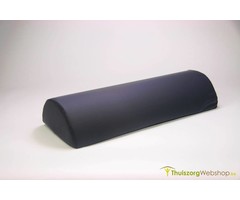
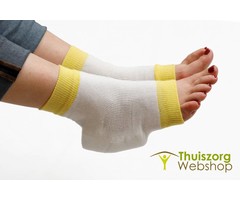
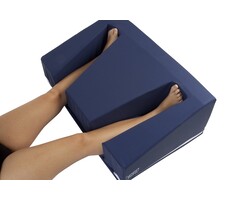
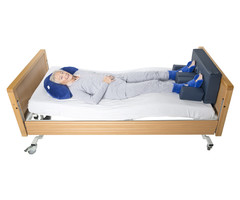
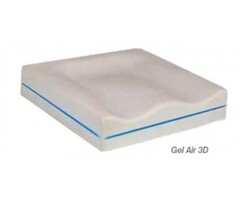
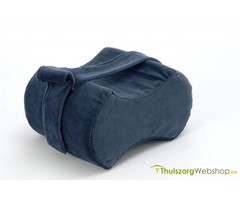
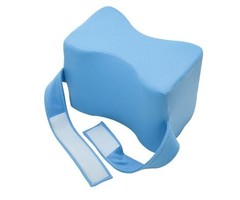
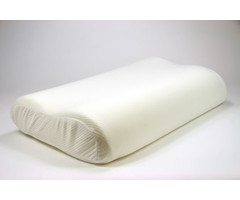
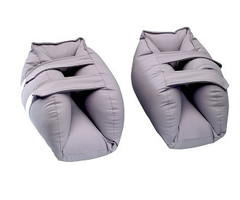
Another effective way to prevent bedsores is to place cushions between parts of your body that press against each other. National Institutes of Health recommends placing a cushion under your tailbone, shoulders, heels and elbows. If you lie on your side, it is better to lay the cushion between your knees and ankles.
Exercise
If you can not even get out of bed, the idea of exercise seems daunting. However, performing some exercise exercises in bed can help to reduce the risk of bed-swelling. For example, you can start with an arm lift. Just raise your arm as high as possible and hold it there for 10 seconds. Repeat the exercise on the other arm.
...Read more
4 tips for the prevention of pressure ulcers in bedridden patients
Preventing injuries
Sores caused by ulcers in the bed are more common.
Bedsores, also known as decubitus, arise when there is too much pressure on the skin. This condition is more common in bedridden patients. These ulcers not only cause pain and discomfort, but can also lead to infections such as meningitis, cellulitis and endocarditis. The shoulder blades, the tailbone, the elbows, the heels and the hips are the most common places for bedbearing because these areas contain little muscle and fat.
When the body does not get movement, it can interfere with adequate blood supply to the skin, depriving it of nutrients and oxygen. If you are currently on bed rest, there are several things you can do to prevent bed wounds.
Change position regularly
When you change your posture often, there will be less pressure on your skin, so you are less likely to get pressure ulcers. It is a good idea to move your body at least every few hours. For example, if you have been lying on your back for a while, turn to your side. If you can not change your position yourself, ask a family member or caregiver to help.
Keep the skin clean and dry
The cleaner and drier your skin is, the less likely to develop bed wounds. Dab a washcloth in a bucket of warm water and mild soap and clean your skin. You probably need another person to help you clean the hard-to-reach areas. Then pat your skin dry with a towel. If you rub too hard, this can lead to skin irritation.
Use pillows
Another effective way to prevent bedsores is to place cushions between parts of your body that press against each other. National Institutes of Health recommends placing a cushion under your tailbone, shoulders, heels and elbows. If you lie on your side, it is better to lay the cushion between your knees and ankles.
Exercise
If you can not even get out of bed, the idea of exercise seems daunting. However, performing some exercise exercises in bed can help to reduce the risk of bed-swelling. For example, you can start with an arm lift. Just raise your arm as high as possible and hold it there for 10 seconds. Repeat the exercise on the other arm.
...Read more
-9%

-7%



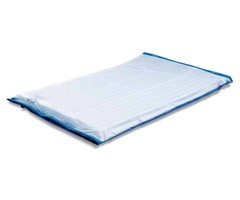
4 tips for the prevention of pressure ulcers in bedridden patients
Preventing injuries
Sores caused by ulcers in the bed are more common.
Bedsores, also known as decubitus, arise when there is too much pressure on the skin. This condition is more common in bedridden patients. These ulcers not only cause pain and discomfort, but can also lead to infections such as meningitis, cellulitis and endocarditis. The shoulder blades, the tailbone, the elbows, the heels and the hips are the most common places for bedbearing because these areas contain little muscle and fat.
When the body does not get movement, it can interfere with adequate blood supply to the skin, depriving it of nutrients and oxygen. If you are currently on bed rest, there are several things you can do to prevent bed wounds.
Change position regularly
When you change your posture often, there will be less pressure on your skin, so you are less likely to get pressure ulcers. It is a good idea to move your body at least every few hours. For example, if you have been lying on your back for a while, turn to your side. If you can not change your position yourself, ask a family member or caregiver to help.
Keep the skin clean and dry
The cleaner and drier your skin is, the less likely to develop bed wounds. Dab a washcloth in a bucket of warm water and mild soap and clean your skin. You probably need another person to help you clean the hard-to-reach areas. Then pat your skin dry with a towel. If you rub too hard, this can lead to skin irritation.
Use pillows
Another effective way to prevent bedsores is to place cushions between parts of your body that press against each other. National Institutes of Health recommends placing a cushion under your tailbone, shoulders, heels and elbows. If you lie on your side, it is better to lay the cushion between your knees and ankles.
Exercise
If you can not even get out of bed, the idea of exercise seems daunting. However, performing some exercise exercises in bed can help to reduce the risk of bed-swelling. For example, you can start with an arm lift. Just raise your arm as high as possible and hold it there for 10 seconds. Repeat the exercise on the other arm.
