




Physical rehabilitation Tools for everyone
Rehabilitation is a learning process that focuses on improving or restoring functions, both on the motor and neuropsychological level.
This stimulates the adaptability (plasticity) of the brain. In addition, a rehabilitator sometimes has to learn to do things in a different way and new skills are taught.
Rehabilitation should focus on activities that are meaningful for the daily life of the rehabilitator.
In function training, reduced functions are repeatedly practiced to strengthen or regain previous skills such as:
- to step,
- write,
- operating devices, ...
Stimulation through function training can promote recovery. There should be practiced in as many situations as possible, for example learning steps:
- in the exercise room,
- outside the rehabilitation center,
- home.
To increase the independence, it is often necessary to learn skills in a different way, for example:
- turn around in bed,
- get up from a chair,
- write links,
- dress.
In addition, learning to use tools plays an important role, both in physical and cognitive limitations. Examples are:
- an agenda to support the memory,
- a communication script as a communication tool,
- a walker or wheelchair with problems with walking,
- adapted cutlery to eat one-handed.
Here the family needs to be involved so that they can stimulate their use at home.
The better the insight of the rehabilitator and his environment in his or her own possibilities and limitations, the greater the chance of success in applying the above training methods. During the conversations with the therapists, the rehabilitation physician and the psychologist, there is continuous explanation about the consequences of the injury and how this interferes with daily functioning. A better understanding of the rehabilitant in his situation increases the motivation and commitment and therefore the chance of a successful rehabilitation. Sometimes the (brain) injury is responsible for the rehabilitant being unable to see what the limitations are. Nevertheless, the need of the immediate environment can be all the greater to understand what is going on and how to deal with it. The right tools are crucial in this.
...Read more
Rehabilitation is a learning process that focuses on improving or restoring functions, both on the motor and neuropsychological level.
This stimulates the adaptability (plasticity) of the brain. In addition, a rehabilitator sometimes has to learn to do things in a different way and new skills are taught.
Rehabilitation should focus on activities that are meaningful for the daily life of the rehabilitator.
In function training, reduced functions are repeatedly practiced to strengthen or regain previous skills such as:
- to step,
- write,
- operating devices, ...
Stimulation through function training can promote recovery. There should be practiced in as many situations as possible, for example learning steps:
- in the exercise room,
- outside the rehabilitation center,
- home.
To increase the independence, it is often necessary to learn skills in a different way, for example:
- turn around in bed,
- get up from a chair,
- write links,
- dress.
In addition, learning to use tools plays an important role, both in physical and cognitive limitations. Examples are:
- an agenda to support the memory,
- a communication script as a communication tool,
- a walker or wheelchair with problems with walking,
- adapted cutlery to eat one-handed.
Here the family needs to be involved so that they can stimulate their use at home.
The better the insight of the rehabilitator and his environment in his or her own possibilities and limitations, the greater the chance of success in applying the above training methods. During the conversations with the therapists, the rehabilitation physician and the psychologist, there is continuous explanation about the consequences of the injury and how this interferes with daily functioning. A better understanding of the rehabilitant in his situation increases the motivation and commitment and therefore the chance of a successful rehabilitation. Sometimes the (brain) injury is responsible for the rehabilitant being unable to see what the limitations are. Nevertheless, the need of the immediate environment can be all the greater to understand what is going on and how to deal with it. The right tools are crucial in this.
...Read more















Rehabilitation is a learning process that focuses on improving or restoring functions, both on the motor and neuropsychological level.
This stimulates the adaptability (plasticity) of the brain. In addition, a rehabilitator sometimes has to learn to do things in a different way and new skills are taught.
Rehabilitation should focus on activities that are meaningful for the daily life of the rehabilitator.
In function training, reduced functions are repeatedly practiced to strengthen or regain previous skills such as:
- to step,
- write,
- operating devices, ...
Stimulation through function training can promote recovery. There should be practiced in as many situations as possible, for example learning steps:
- in the exercise room,
- outside the rehabilitation center,
- home.
To increase the independence, it is often necessary to learn skills in a different way, for example:
- turn around in bed,
- get up from a chair,
- write links,
- dress.
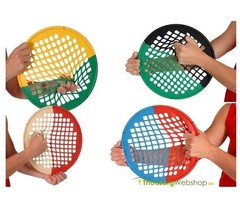
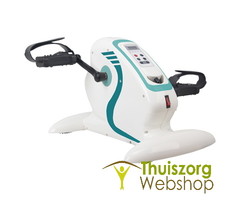
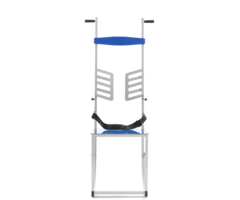
In addition, learning to use tools plays an important role, both in physical and cognitive limitations. Examples are:
- an agenda to support the memory,
- a communication script as a communication tool,
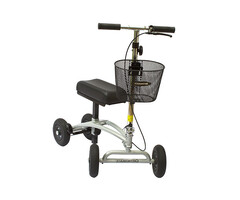
- a walker or wheelchair with problems with walking,
- adapted cutlery to eat one-handed.
Here the family needs to be involved so that they can stimulate their use at home.
The better the insight of the rehabilitator and his environment in his or her own possibilities and limitations, the greater the chance of success in applying the above training methods. During the conversations with the therapists, the rehabilitation physician and the psychologist, there is continuous explanation about the consequences of the injury and how this interferes with daily functioning. A better understanding of the rehabilitant in his situation increases the motivation and commitment and therefore the chance of a successful rehabilitation. Sometimes the (brain) injury is responsible for the rehabilitant being unable to see what the limitations are. Nevertheless, the need of the immediate environment can be all the greater to understand what is going on and how to deal with it. The right tools are crucial in this.
